Poison Oak Removal in Delaware County, PA
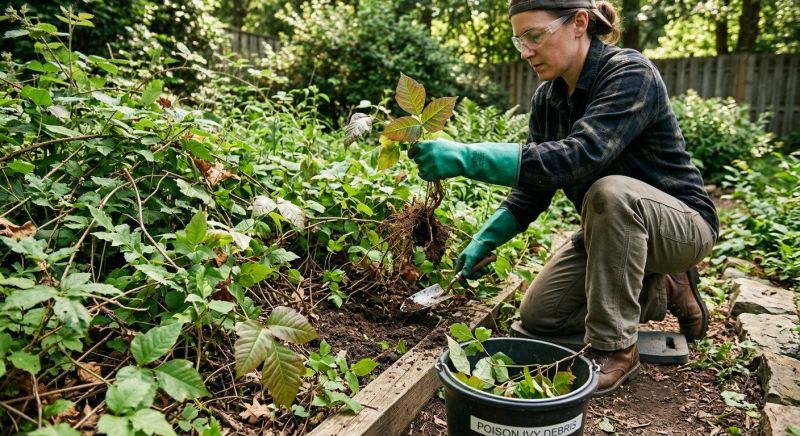
Poison oak removal services are designed to help homeowners safely eliminate this hazardous plant from residential properties. These services typically cover projects such as clearing overgrown areas, trimming shrubs, or removing poison oak from yards, gardens, and landscape beds. Property owners often seek these services to reduce the risk of skin irritation and allergic reactions for family members, pets, or visitors, especially in outdoor spaces used for recreation or relaxation.
Before requesting poison oak removal, property owners usually want to understand the extent of the infestation, the methods used for eradication, and whether the removal process includes proper disposal of the plant material. Clarifying these details can help ensure the work is thorough and minimizes the chance of regrowth. It’s also common to inquire about any necessary preparations or safety precautions to take prior to the removal process.
Many property owners in Delaware County, PA look into Poison Oak Removal for repairs, replacements, upgrades, and appearance-related improvements.
Hazardous Plant Removal
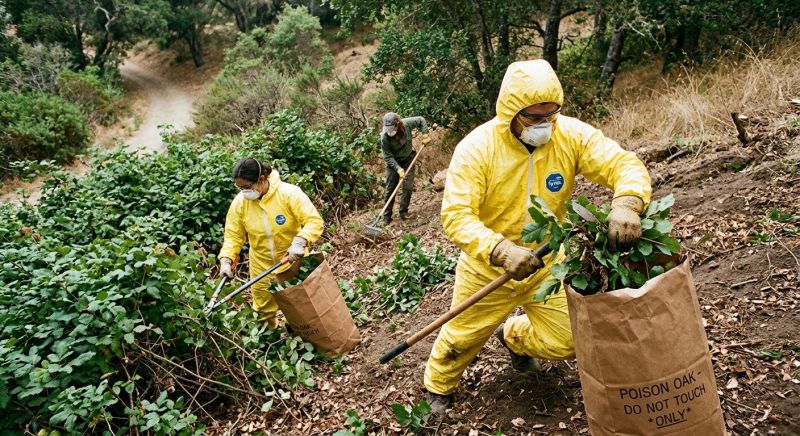
Removing poison oak helps protect families and pets from skin irritation and allergic reactions.
Property Safety Enhancement
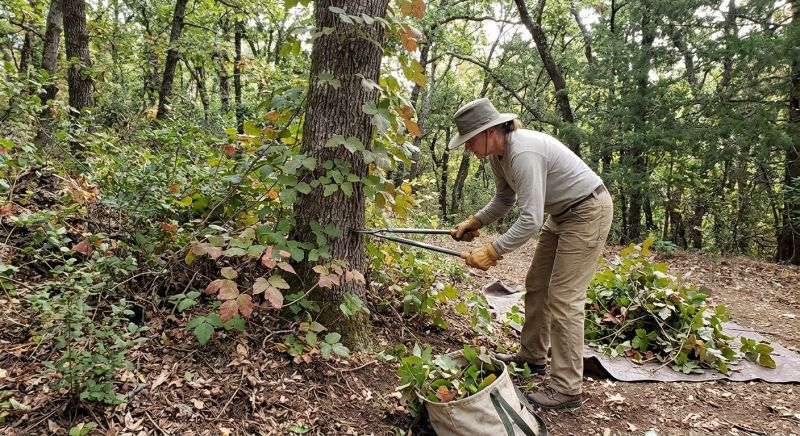
Clearing poison oak reduces the risk of accidental contact during outdoor activities or landscaping projects.
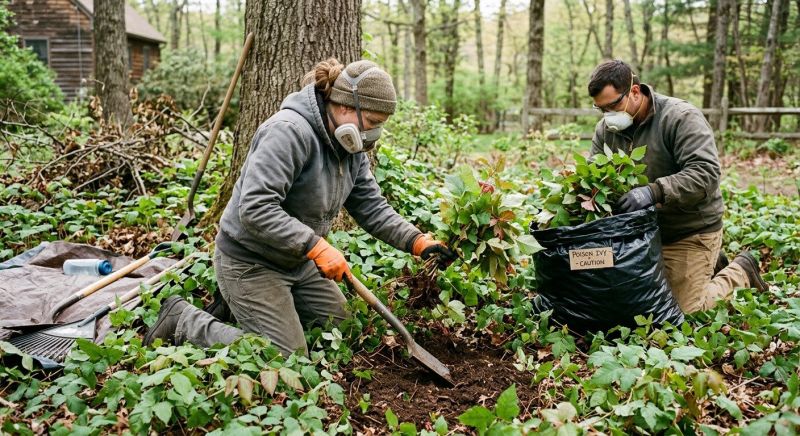
Landscape Maintenance
Proper removal of poison oak supports healthy yard growth and prevents invasive spread on properties in delaware county, pa.
Poison Oak Removal in Delaware County, PA

Poison oak removal services are designed to help homeowners safely eliminate this hazardous plant from residential properties. These services typically cover projects such as clearing overgrown areas, trimming shrubs, or removing poison oak from yards, gardens, and landscape beds. Property owners often seek these services to reduce the risk of skin irritation and allergic reactions for family members, pets, or visitors, especially in outdoor spaces used for recreation or relaxation.
Before requesting poison oak removal, property owners usually want to understand the extent of the infestation, the methods used for eradication, and whether the removal process includes proper disposal of the plant material. Clarifying these details can help ensure the work is thorough and minimizes the chance of regrowth. It’s also common to inquire about any necessary preparations or safety precautions to take prior to the removal process.
Many property owners in Delaware County, PA look into Poison Oak Removal for repairs, replacements, upgrades, and appearance-related improvements.
Common Poison Oak Removal Jobs
Poison Oak Removal - professional removal services eliminate poison oak plants safely from residential properties.
Landscape Clearing - clearing overgrown areas to prevent poison oak from spreading into lawns and gardens.
Property Maintenance - ongoing removal of poison oak during routine landscape upkeep.
Brush and Shrub Removal - removal of dense brush and shrubs that may harbor poison oak.
Yard Cleanup - thorough cleanup of yard debris containing poison oak to reduce exposure risks.
Vegetation Management - controlling and removing poison oak in wooded or natural areas on the property.
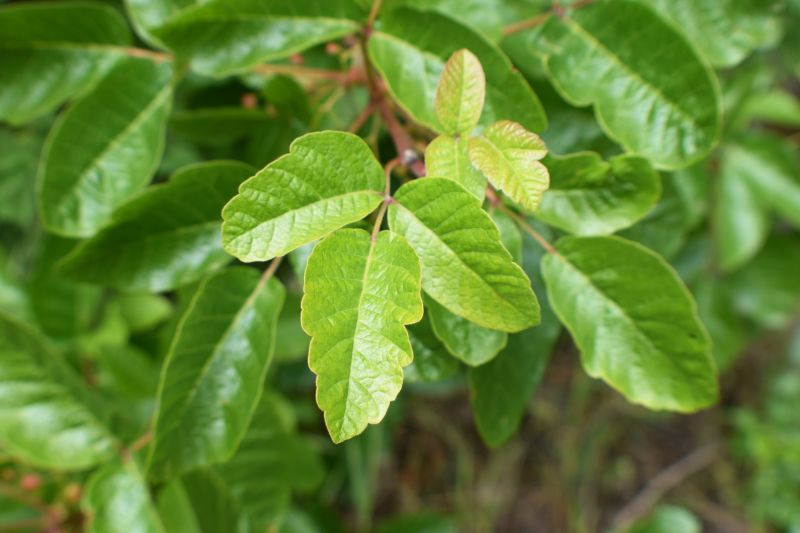
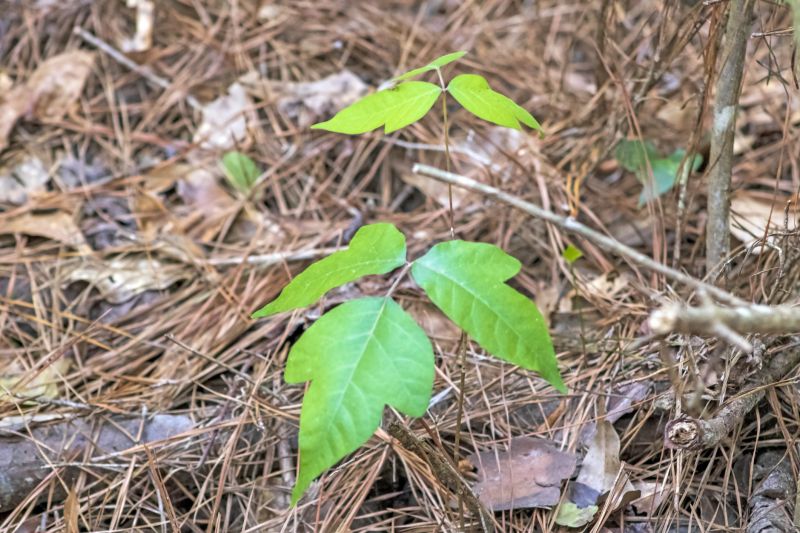
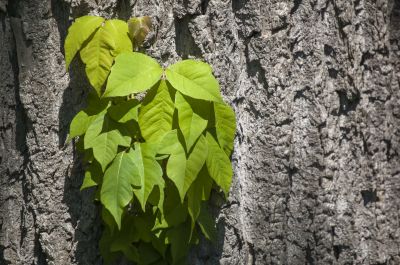
Poison Oak Removal Questions
What is poison oak removal? Poison oak removal involves safely eliminating poison oak plants from residential or commercial properties to prevent skin irritation and health risks.
Why should property owners consider poison oak removal? Removing poison oak reduces the risk of skin reactions, keeps outdoor spaces safe, and maintains the property's appearance.
What types of projects typically require poison oak removal? Projects include clearing overgrown areas, landscaping renovations, and preparing outdoor spaces for recreational use.
Is poison oak removal safe for my property? Yes, professional removal ensures the plants are properly and safely removed without damaging surrounding vegetation.
Request Poison Oak Removal in Delaware County, PA
Use the quote form on this page to share the basics of your project and request more information for the type of work you need.